
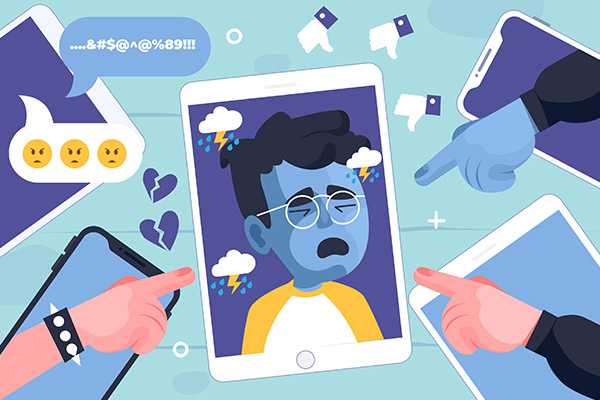
Social Media Platforms, meant for bringing people together, can sadly turn into a place where harassment happens, especially affecting young users.
One of the biggest effects of cyberbullying is mental health deterioration, and the major prevention for it is Content Moderation. But wait! We’ll look into more of its effects, how we can help prevent cyberbullying, and ways to make the online world safer.

Cyberbullying’s 24/7 nature means victims can feel constantly under attack, leading to serious mental health issues. This relentless harassment can cause deep-rooted anxiety, depression, and an ongoing state of stress, as victims feel there’s no respite or escape from the negativity.
Facing constant bullying online, victims often choose isolation as a coping mechanism. They may withdraw from social circles and activities to avoid further bullying.
This retreat not only affects their existing relationships but also hampers the development of new social skills and friendships. Over time, this fear and distrust can make engaging in social activities or forming new bonds extremely difficult.
The victims of cyberbullying may struggle with concentration, participation in class discussions, and even regular school attendance. Consequently, this often leads to a noticeable decline in academic performance, including falling grades, decreased involvement in school events, and increased absenteeism.
The psychological stress from cyberbullying doesn’t just stay in the mind; it can manifest in physical symptoms. Victims might experience sleep disturbances, such as insomnia or oversleeping, changes in appetite, frequent headaches, or stomach problems. These physical symptoms are often reflective of internal emotional and psychological disruption.
In the most severe cases, the intense emotional distress caused by cyberbullying can drive victims to extreme measures. The feeling of being helplessly trapped in a hostile environment can lead some to self-harm as a cry for help or even consider suicide as an escape from the relentless bullying.

The process means checking and controlling what’s posted online using computer programs, people, or both. The process and benefits of Content Moderation are immense but hefty. It helps find and stop cyberbullying quickly, making the internet safer.
Kids need to know how their words online can hurt, how to spot cyberbullying, and why they should tell someone if they see it happening. Schools and parents should work together to teach these lessons.
Teaching kids to care about others’ feelings helps prevent cyberbullying. They should learn how their online actions can affect others and be responsible digital citizens.
Parents should keep an eye on what their kids do online. They should know what apps and websites they use and discuss what they see. It’s key that kids feel they can tell their parents if they’re facing cyberbullying.

Schools need clear rules against cyberbullying and ways to report it. Having a way for students to report bullying without giving their names can help more students speak up.
Understanding how social media increases cyberbullying is key to making the digital world safer. Social media’s big impact on cyberbullying means we all need to watch out and take steps to protect our minds and hearts.
Promoting kindness, careful behavior online, and talking openly can reduce the foul stuff that happens.
It’s up to parents, teachers, and everyone in the community to help build a friendlier online space for all of us.

Sales organization and business process outsourcing specialist with over 15 years experience in building and running highly efficient sales and customer support organizations, and in providing board and project level consulting to the sales and service organizations of leading companies all over the globe. Developed and implemented staffing strategies and programs that improved operational.